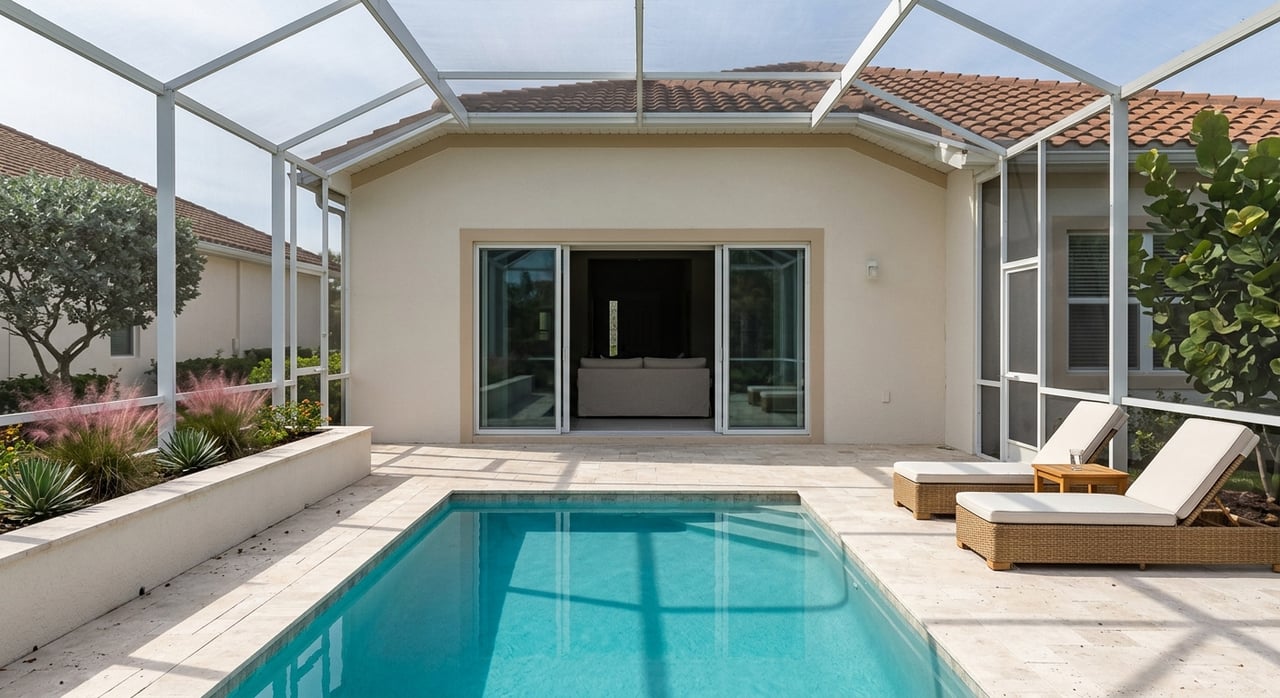
Buying A Seasonal Home In Englewood, Florida
June 11, 2026
June 11, 2026
Wondering if a seasonal home in Englewood is the right fit for your Florida plans? If you want a place that supports winter stays, longer retirement visits, or flexible time near the coast, Englewood can check a lot of boxes. The key is knowing how this market works before you buy, especially since county rules, flood factors, and ownership costs can vary by property. Let’s dive in.
Englewood stands out as a natural match for part-time ownership. Census data shows an older, owner-occupied profile, with 60.1% of residents age 65 or older and 87.0% of housing units owner-occupied. The median value of owner-occupied homes is $339,900, which helps frame the market for buyers comparing second-home options.
For many seasonal buyers, that means you are shopping in an area where part-time living is already familiar. You may find condos, villas, and single-family homes that suit a lock-and-leave lifestyle, a longer winter stay, or a future full-time move. That kind of flexibility is a big part of Englewood’s appeal.
One of the most important things to know is that Englewood is not a single-county market. The Census Bureau states that the Englewood CDP sits in both Charlotte and Sarasota counties. That can affect the details tied to your property, including taxes, flood management rules, utilities, and where documents are recorded.
For you as a buyer, this is not just a technical detail. It can shape your monthly costs, your closing process, and your long-term planning. Before you make an offer, it is smart to confirm which county the parcel is in so there are no surprises later.
As you narrow your search, verify these items for the specific property:
This kind of early fact-checking can save time and help you budget more accurately.
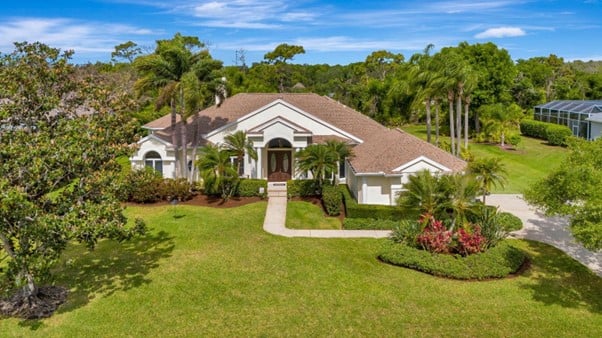
Seasonal buyers in Englewood often compare association-managed condos or villas with detached single-family homes. Each option can work well, but they come with different ownership rhythms. Your best choice depends on how often you visit, how hands-on you want to be, and how comfortable you are managing maintenance from a distance.
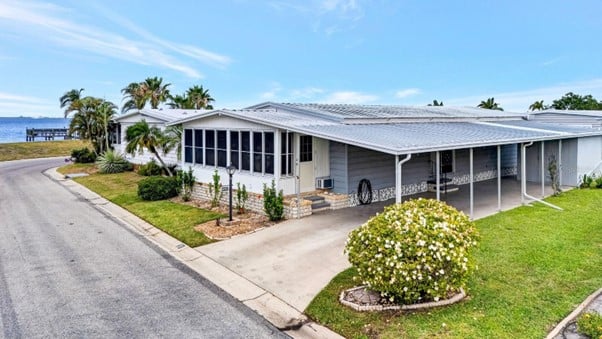
If you want simpler upkeep, a condo or villa may feel easier to manage during the months you are away. If you want more privacy, outdoor space, or a detached layout, a single-family home may be a better fit. Waterfront properties can be especially attractive, but they also require more careful review of flood insurance, storm planning, and utility shutoff routines.
| Property Type | Potential Advantage | Extra Planning Need |
|---|---|---|
| Condo | Often easier for part-time ownership | Review association rules and fees |
| Villa | May offer a balance of space and lower upkeep | Confirm exterior maintenance responsibilities |
| Single-family home | More privacy and flexibility | Plan for vacant-home maintenance |
| Waterfront home | Water access and view potential | Budget for flood and storm-related considerations |
When you buy a seasonal home in Englewood, your budget should include more than the sale price and basic insurance. Carrying costs can look different from what you may expect in a primary residence purchase. That is especially true if you are buying from out of state and not living in the property year-round.
A second home usually does not qualify for Florida homestead benefits. Both Charlotte County and Sarasota County note that homestead is tied to a permanent or primary residence occupied as of January 1, with applications due by March 1. If you are buying a vacation or seasonal property, plan your numbers without assuming that exemption will apply.
If your home is in Charlotte County, the tax calendar is especially important to track from afar. Real estate tax bills are mailed on or before November 1. Early-payment discounts apply at 4% in November, 3% in December, 2% in January, and 1% in February, and unpaid taxes become delinquent on April 1.
That matters if you are away during part of the year. Tax notices are mailed to the owner’s last address of record, so keeping your mailing details current is an easy but important step.
Your property tax bill may include more than ad valorem taxes. Charlotte County explains that non-ad valorem assessments are not based on property value and may be tied to square footage or number of units. These charges may help fund services like stormwater, fire and rescue, and solid-waste services.
In plain terms, your annual bill may include costs that are easy to miss if you only focus on the list price. Reviewing the full tax structure early can help you avoid underestimating your ownership costs.
Florida documentary stamp tax is another cost to expect at closing. The Florida Department of Revenue states that deeds are taxed at 70 cents per $100 of consideration in most Florida counties. If you finance the purchase, promissory notes and mortgages are generally taxed at 35 cents per $100, with the note tax capped at $2,450.
These are standard costs, but they should still be part of your planning. A clear estimate before you go under contract can make the entire purchase feel more predictable.
In coastal Englewood, flood planning should be part of your purchase decision from day one. Sarasota County and Charlotte County both state that standard homeowners insurance does not cover flood damage from rising water. Sarasota County also notes that flood insurance policies typically have a 30-day waiting period before becoming effective.
That means flood insurance is not something to leave for the last minute. If you are considering a home near the water or in a higher-risk area, you will want to understand the property’s flood zone and likely insurance requirements as early as possible.
Charlotte County says FEMA flood maps identify A and V high-risk zones, and flood insurance is mandatory for federally backed mortgages in those zones. The county also notes that the Coastal A Zone is regulated to V-zone standards. Sarasota County states that new FEMA flood maps took effect on March 27, 2024, and these changes may affect insurance requirements and premiums.
For a seasonal buyer, this is one of the most important due-diligence steps. A home that fits your layout and budget goals still needs to fit your comfort level on flood exposure, insurance cost, and future planning.
Storm planning also matters when you are not in town full time. Charlotte County advises residents not to base evacuation decisions on storm category alone. The county also notes that, because of low elevation and surrounding water, shelters may not be available in-county.
If you are buying a seasonal home, think through your storm plan before closing. You should know your evacuation zone, your leave-behind checklist, and how you will manage the property if a storm approaches while you are out of state.
A seasonal home works best when you have a clear routine for the months you are away. Charlotte County specifically recommends shutting off electricity and water before leaving. The county also warns that excess moisture after flooding can quickly lead to mold growth.
That makes local coordination a big part of owning well. You may want a simple service plan for routine checks, seasonal prep, and utility management, especially if your home will sit vacant for long stretches.
The Englewood Water District serves about 44.5 square miles in southern Sarasota County and western Charlotte County. It also offers a Seasonal Shutoff/On form, which can be useful for part-time owners who want to manage service between visits. For many buyers, that is a practical local tool that fits the reality of seasonal ownership.
Before you close, it helps to ask how utilities will be handled when you arrive, depart, and return. A few simple steps can protect your property and reduce the stress of managing it from afar.
Before leaving your Englewood seasonal home for an extended period, consider this basic checklist:
If you are purchasing from another state, Englewood can still be a very manageable market. Florida allows remote online notarization under Chapter 117, Part II of the Florida Statutes. The Florida Department of State explains that online notarization must be performed by a properly registered notary using an approved technology provider.
For you, that can mean less travel and a smoother closing experience when the process is organized well from the start. Remote buying often works best when inspections, video walk-throughs, e-signatures where allowed, title coordination, and document timing are handled in a clear sequence.
Even in a remote-friendly transaction, local details still matter. County-specific tax notices, recording offices, flood rules, and parcel verification can all affect the process. In Englewood especially, confirming the property’s county before the offer is finalized is one of the smartest steps you can take.
This is where strong, responsive guidance makes a real difference. When you have a local agent who keeps the details organized, buying from a distance feels much more doable.
A seasonal home should make your life easier, not add avoidable surprises. As you evaluate properties in Englewood, ask practical questions that reflect how you plan to use the home. Clear answers now can protect your budget and your peace of mind later.
Here are a few good questions to bring into your search:
Buying a seasonal home in Englewood can be a great move when you go in with the right expectations. The best outcome usually comes from balancing lifestyle goals with practical planning around county rules, flood exposure, taxes, and long-distance ownership. If you want experienced, high-touch guidance as you compare condos, villas, or single-family homes along the Suncoast, Christine Walker can help you navigate the details with clarity and confidence.
Stay up to date on the latest real estate trends.
Real Estate
Real Estate

Real Estate
Real Estate
Get assistance in determining current property value, crafting a competitive offer, writing and negotiating a contract, and much more. Contact me today.