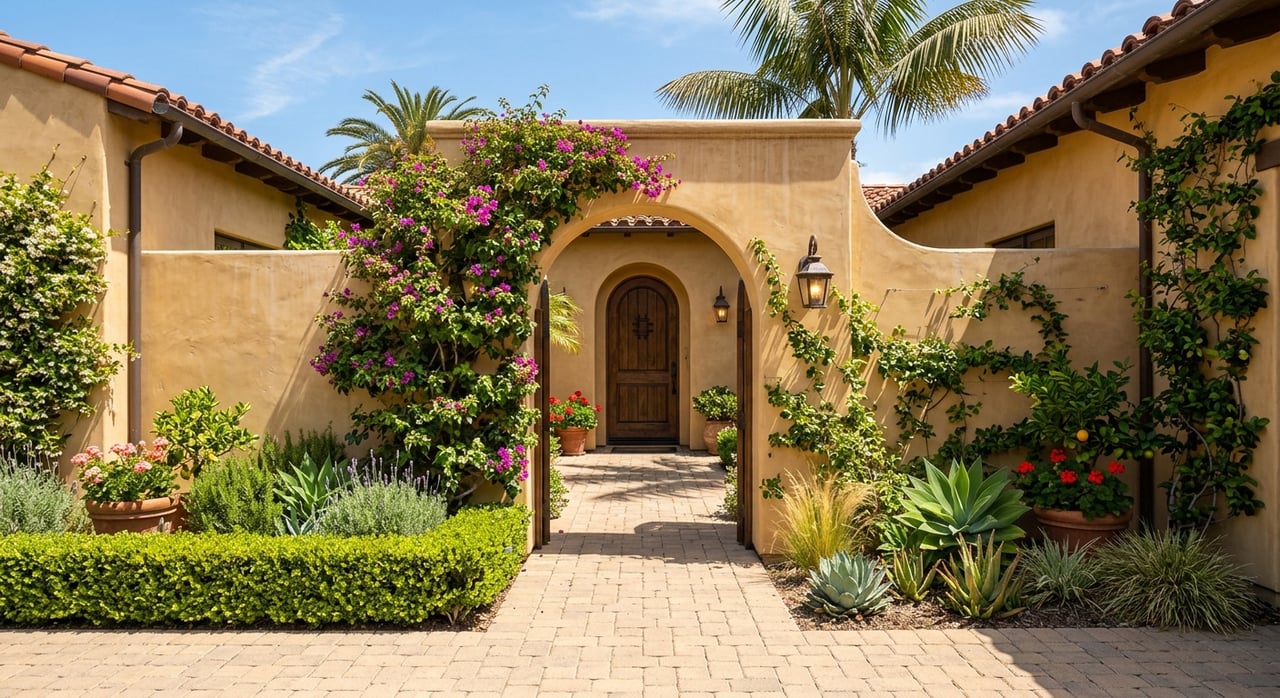
Venice FL Condo vs Villa: How to Choose the Best Fit
May 21, 2026
May 21, 2026
If you are weighing a condo against a villa in Venice, you are not alone. This is one of the most common questions for buyers who want lower-maintenance living without giving up the Florida lifestyle they came for. The right choice depends less on the label and more on how you want to live, what you want your fees to cover, and how much responsibility you want to keep. Let’s dive in.
Venice is a natural place to compare condos and villas because so many buyers here are looking for ease, flexibility, and simplified ownership. Census data shows Venice had an estimated 30,477 residents in 2025, with 61.4% of residents age 65 and over and an 80.4% owner-occupied housing rate. The median value of owner-occupied homes was $434,700 during the 2020 to 2024 ACS period.
Those numbers help explain why lock-and-leave living is so appealing in this market. If you are downsizing, buying a second home, or simply trying to cut back on upkeep, both condos and villas can make sense. The key is understanding that they do not work the same way.
In Venice, a condo is typically the most association-managed low-maintenance option. Under Florida condominium law, the association maintains the common elements and has authority to collect assessments and handle maintenance, repair, and replacement of common elements or association property. In many cases, you as the owner are generally responsible for the interior of the unit and whatever else the declaration assigns to you.
That structure often creates a true convenience-focused ownership experience. It can also mean more shared systems, more formal association oversight, and more detailed resale documentation for buyers.
In Venice, the word villa describes a home style more than a legal structure. Some villas are fee-simple homes in an HOA, while others are condominium units that happen to have a villa-style layout. That is why you should never assume maintenance responsibilities based on the word alone.
Local examples make that clear. Villas of Chestnut Creek is a 55+ deed-restricted HOA community, while Greenview Villas is a condominium community made up of one-story villa condominium units. The homes may look similar from the street, but the ownership structure can change who maintains the roof, exterior, landscaping, and shared areas.
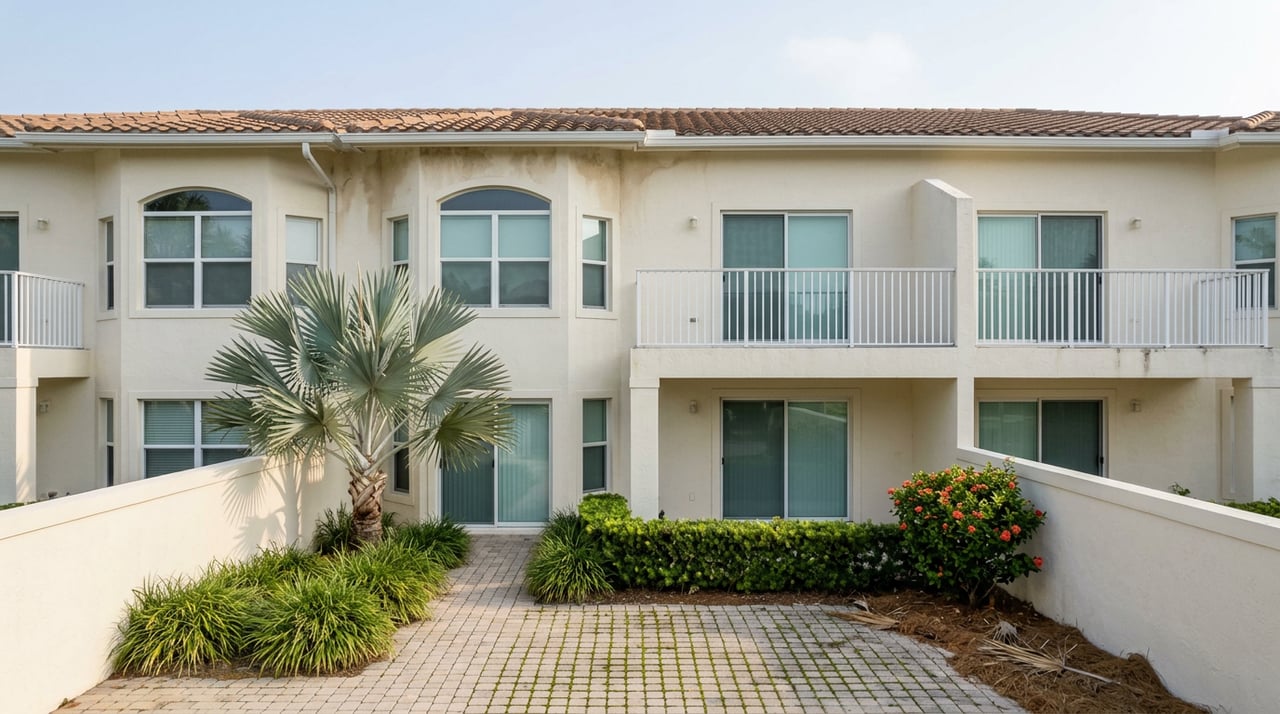
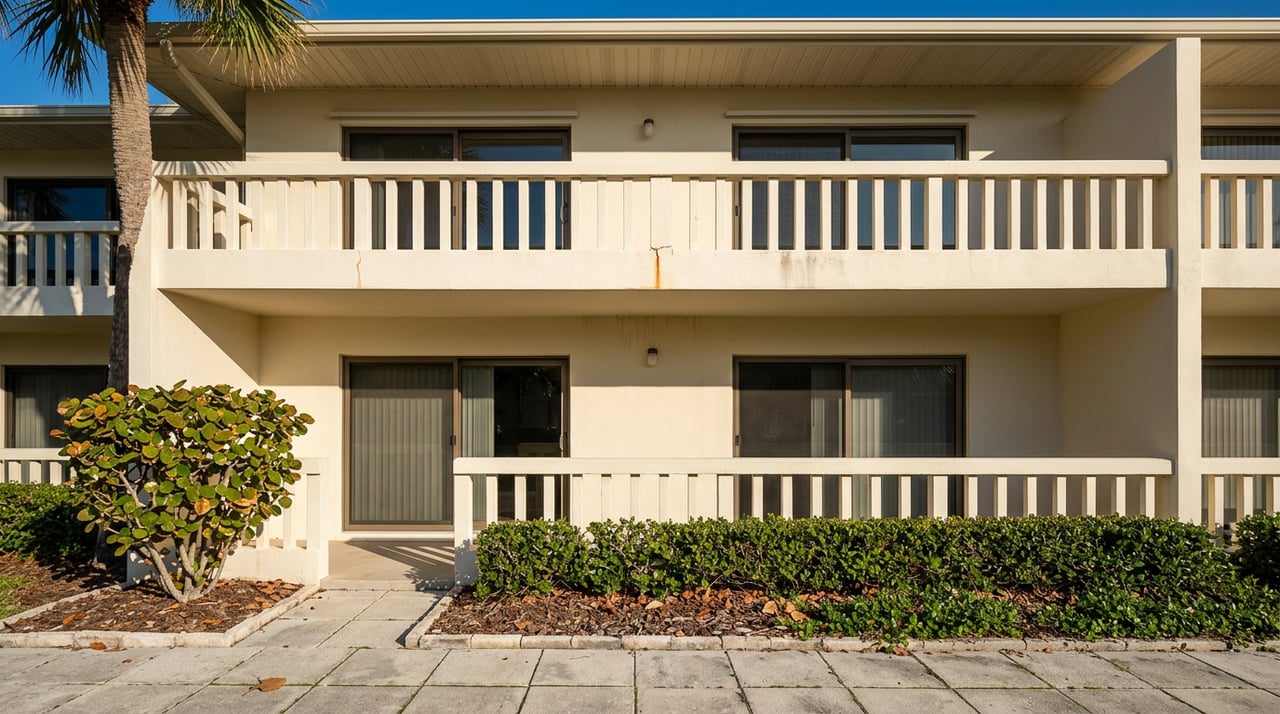
Condos usually trade some privacy for convenience. Many are part of shared buildings or attached settings where common elements play a larger role in daily living. In Venice, condo examples include multi-building and beachfront communities, which often appeal to buyers who want location and services bundled together.
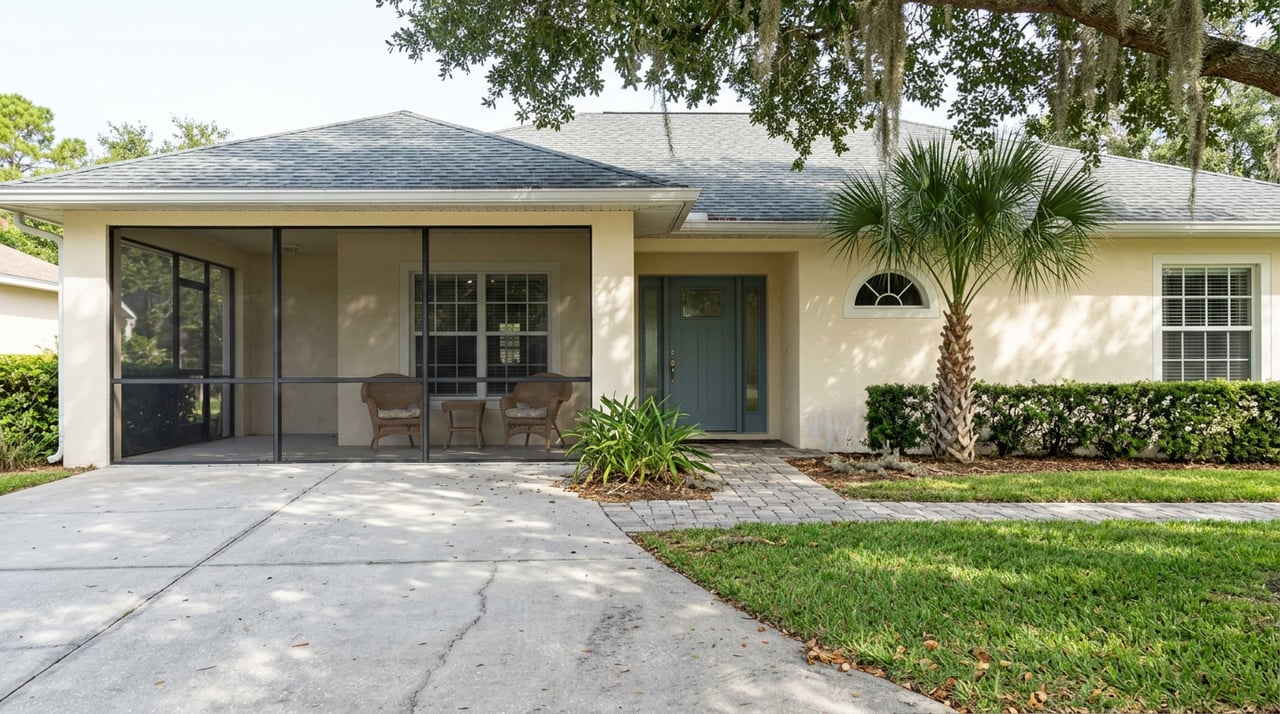
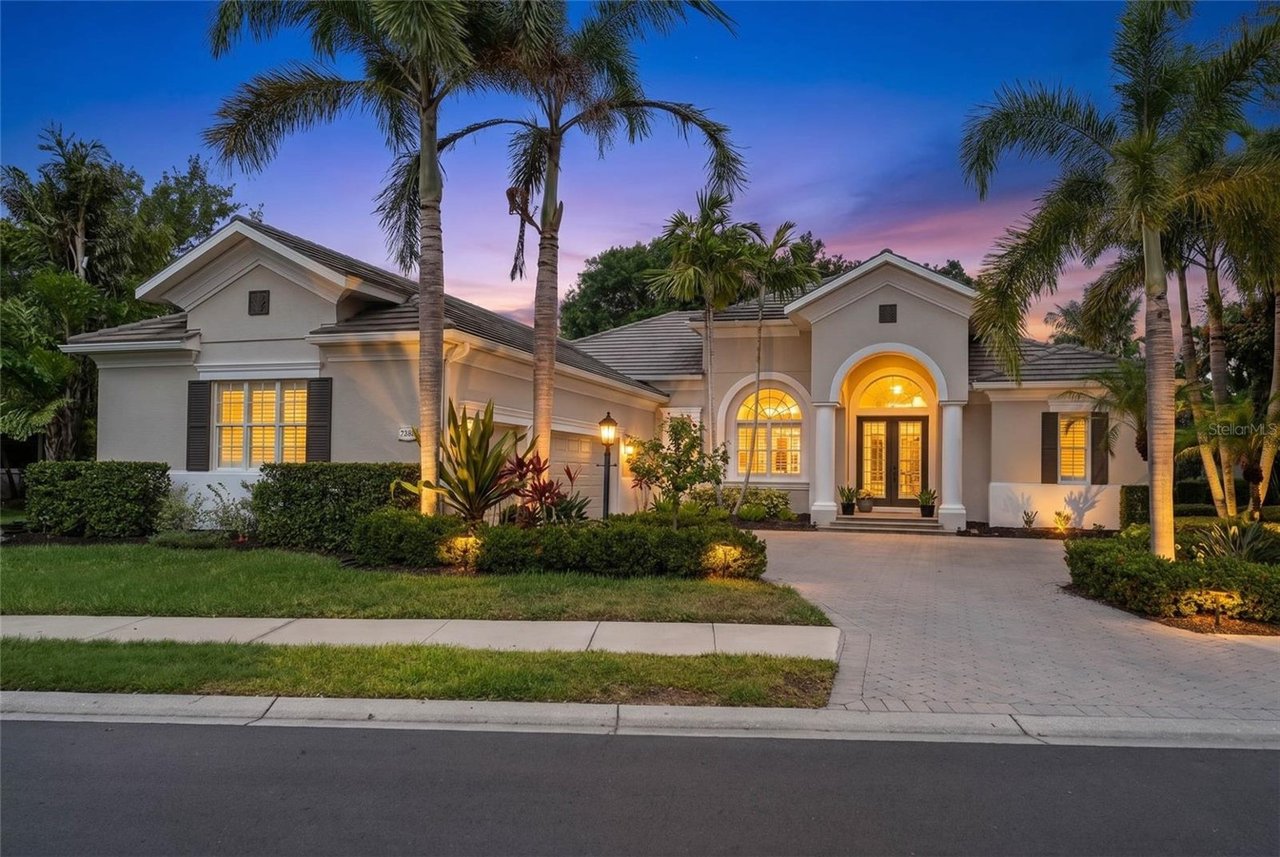
Villas usually feel more house-like. They are often ground-oriented, commonly one story, and may sit in a neighborhood-style setting with ponds, landscaped spaces, or private amenity areas. If you want a bit more separation from neighbors without taking on the work of a traditional single-family home, a villa may feel like the better fit.
For many buyers, maintenance is the deciding factor. Condos are generally the lightest-maintenance option because the association handles common elements, and many communities cover a larger share of the exterior building responsibilities. That setup works well if you want to spend less time managing the property yourself.
Villas can also be very low maintenance, but the details vary more. In an HOA-governed villa community, the split between owner and association responsibilities depends on the governing documents. One villa community may include lawn care and exterior upkeep, while another may leave more of those items to the owner.
Both condos and villas in Venice can offer strong amenity packages. Pools, clubhouses, tennis courts, and social spaces show up in both property types. The difference is often in the style of the community rather than whether amenities exist.
Condo communities may lean more toward shared-building convenience, utility-inclusive fees, beachfront access, or under-building parking. Villa communities often highlight clubhouse life, one-story convenience, landscaped surroundings, and a compact neighborhood feel. Neither is automatically better. It comes down to what you will actually use.
A low monthly fee does not always mean better value. A higher fee does not automatically mean a worse deal either. In Venice, local examples range from $180 per month at Villas of Chestnut Creek to $2,530 per quarter at Island Park, but those communities provide very different service packages and property types.
For example, Island Park describes itself as a maintenance-free condominium community with 48 units, a clubhouse, heated pool, and under-building parking. MacArthur Beach & Racquet Club says its fee covers common-area maintenance, outside maintenance, trash, water, sewer, and basic cable. On the villa side, Greenview Villas includes water and sewer, trash, cable, and lawn maintenance.
The smarter question is not How much is the fee? It is What does the fee actually cover? You want to know what is included, what is excluded, and whether the association appears financially prepared for future repairs.
Florida condos come with heavier state-level transparency and safety requirements than HOAs. According to the Florida DBPR, residential condo associations must complete a structural integrity reserve study at least once every 10 years for buildings that are three habitable stories or higher, and that study must be shared with owners within 45 days.
Condo resale buyers are also entitled to a more detailed package of documents. That can include the declaration, articles, bylaws, rules, annual financial statement and budget, and when applicable, milestone inspection summaries, the most recent structural integrity reserve study, turnover inspection reports, and the FAQ document. For buyers who want a more formal paper trail, that can be a real advantage.
HOA-governed villas operate under a different legal framework. Florida’s Homeowners’ Association Act is more document-driven and less directly state-regulated than the Condominium Act. The law states it is not in the best interest of HOAs to create a bureau or agency to regulate HOA affairs, so Chapter 720 focuses more on procedures, disclosures, records, and member rights.
That does not mean HOA documents matter less. It means you need to read them carefully. HOA buyers must receive a disclosure summary before signing, and if it was not provided, the contract is voidable by the buyer within 3 days after receipt of the summary or before closing. HOA associations must also keep official records for at least 7 years and make them available within 10 working days after a written request.
In Venice, both paths are common for downsizers and second-home buyers. Condo buyers often prioritize convenience and a stronger lock-and-leave setup. Villa buyers often want a quieter, more house-like feel while still reducing day-to-day upkeep.
Before you tour homes, it helps to have a checklist. In Venice, small differences in documents and community structure can have a big impact on your monthly costs and long-term comfort.
Ask whether the home is a condominium or part of an HOA-governed villa community. This is one of the most important questions you can ask because it affects responsibility for the roof, exterior, landscaping, windows, and common systems.
Do not rely on the fee amount alone. Ask for a clear breakdown of whether the association covers water, sewer, trash, cable, lawn care, exterior maintenance, parking, or amenity access.
Request information on reserves, inspection history, and any pending special assessments. For condos, the resale packet may include the structural integrity reserve study and applicable inspection documents, which can give you a better picture of upcoming financial obligations.
Read the rules on age restrictions, pets, rentals, guest parking, hurricane protection, and exterior changes. Venice communities vary, and those details can shape how easy the property is to live in or use the way you intend.
Both condos and HOAs have formal buyer disclosure requirements in Florida. Missing disclosures can create contract voidability rights for the buyer, so this is not just paperwork. It is part of protecting your position during the transaction.
In Venice, choosing between a condo and a villa is really about choosing your version of easy living. A condo often gives you the most association-managed experience, which can be ideal if you want maximum convenience and a true lock-and-leave setup. A villa often offers a more residential feel, but you need to confirm whether that villa is in an HOA or a condominium and exactly what the association handles.
If you are comparing options in Venice, the best move is to look beyond the home itself. The monthly fee, the documents, the reserve picture, and the rules can matter just as much as the floor plan. With the right guidance, you can narrow the choices quickly and focus on the property type that actually matches your goals.
If you want help comparing condos and villas in Venice, Christine Walker can help you sort through the details, move quickly, and make a confident decision.
Stay up to date on the latest real estate trends.
Real Estate

Real Estate
Get assistance in determining current property value, crafting a competitive offer, writing and negotiating a contract, and much more. Contact me today.