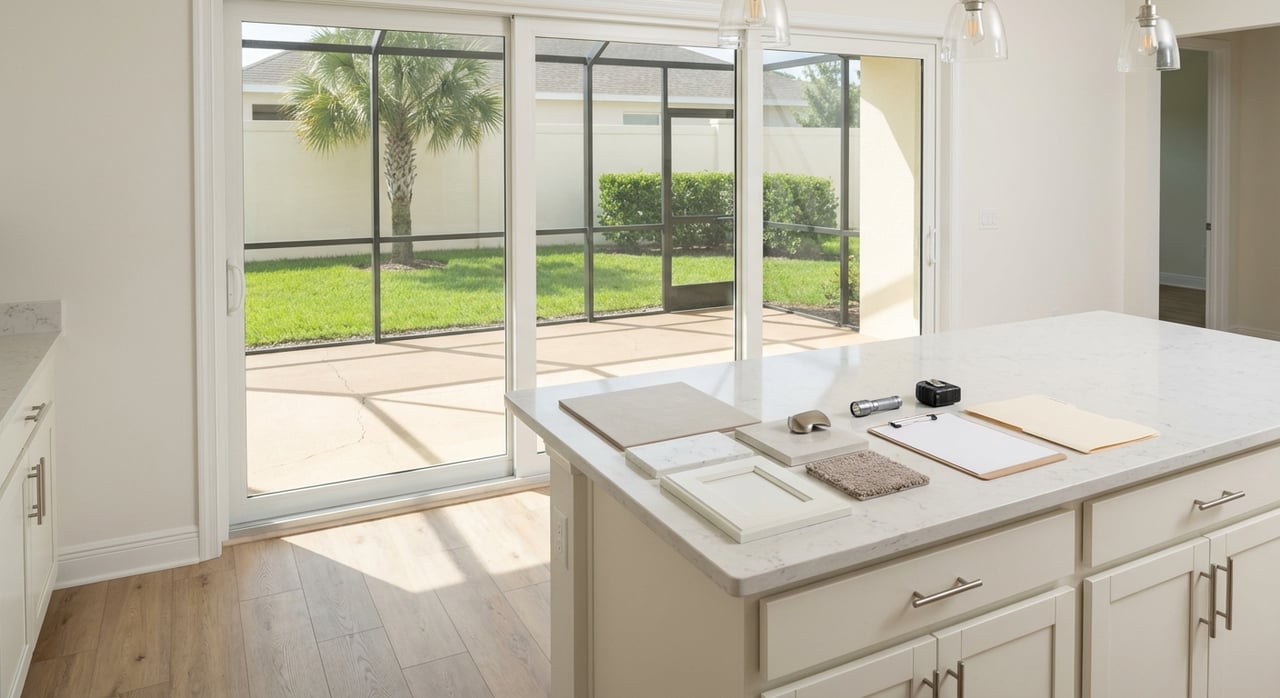
Your Lakewood Ranch New Construction Guide
February 19, 2026
February 19, 2026
Touring model homes in Lakewood Ranch is exciting, but the path from that first tour to closing can feel complex. You want clarity on timelines, costs, inspections, and how to keep your build on track. In this guide, you’ll learn the exact steps, key decisions, common pitfalls, and where your agent adds real value in Manatee County. Let’s dive in.
Lakewood Ranch is a large, award-winning master-planned community made up of distinct villages, each with its own amenities and builders. You can preview active villages and connect with the New Home Center on the official community site to understand current offerings and availability. Explore the community overview and contact options through the Lakewood Ranch New Home Center at the community’s main website.
Active builders range from national names to regional favorites, with a spectrum of price points depending on the village and plan type. To see which builders are building in each village and the types of homes they offer, review the village-by-village builder directory on the official Lakewood Ranch site. These pages help you compare floor plans, included features, and price bands before you tour.
Below is a practical, local-friendly sequence you can use to plan your new-construction journey in Lakewood Ranch.
Start by visiting the New Home Center and a few model rows to get a sense of which villages fit your lifestyle and budget. Ask each builder about their current lot releases, build timelines, included features, and any upcoming price changes. Take notes on HOA fees, amenity access, and lot types so your comparisons stay apples-to-apples.
Once you find a village and plan you love, you’ll choose a lot. Expect to place a reservation deposit and then move to contract within the builder’s stated window. Lake, preserve, and corner locations often carry a lot premium. Get all dates, deposit rules, and refundability in writing.
Your purchase agreement locks in the base price, included features, and deadlines. Structural options such as extended lanais, additional bedrooms, or gourmet kitchens are usually finalized at contract. The agreement should also outline how change orders work and when selections must be complete to keep the build on schedule.
Builders handle finishes in two common ways:
Pro tip: Ask the builder to estimate how much a mid-range vs. high-end package typically adds, and which upgrades are most likely to help at resale.
After contract, the builder submits plans for permits and begins site work once approvals are issued. Manatee County requires permits and inspections that must be completed before a Certificate of Occupancy is issued. You or your agent can monitor permit status and required inspections through the county’s online portal. Also confirm which impact fees apply and when they must be paid to avoid last-minute C/O delays.
A typical single-family build moves through foundation, framing and rough-ins, pre-drywall checks, drywall and finishes, final walk-through and punch-list, then Certificate of Occupancy and closing. Once construction begins, many built-for-sale homes complete in about 6 to 12 months. When you add permitting and design selections, plan for a total timeline near 8 to 16 months from lot reservation to move-in. Heavier structural changes can stretch that schedule.
Your final walk-through, often a few days before closing, is your last chance to confirm quality and capture fixes. Create a methodical room-by-room list, mark items with blue tape, and insist on a written punch-list with target dates. This is separate from the county’s inspections, which focus on code compliance for the Certificate of Occupancy.
Municipal inspections verify code compliance, but they are not a full workmanship audit. Many buyers add independent third-party phase inspections to catch issues early while walls and systems are open.
Common third-party phases include:
Independent inspectors and trade associations outline the benefits of phase inspections and project oversight for new builds. Talk with your agent about local inspectors with new-construction expertise.
Many builders provide a warranty package that follows a “1-2-10” pattern: one year on workmanship, two years on major systems, and 10 years of structural coverage. Structural coverage is often backed by third-party programs that transfer to future owners.
Florida buyers should also know about a recent law. HB 623 requires builders to provide a mandatory, transferable one-year warranty for newly constructed homes beginning July 1, 2025. This sets a baseline that applies statewide and is separate from any longer private warranty programs a builder offers. Always review the builder’s written warranty to confirm terms, start dates, claim process, and transferability.
You have several ways to finance new construction:
Construction-to-permanent loans combine short-term construction financing with your long-term mortgage when the home is complete.
Programs such as FHA One-Time Close are available to qualified borrowers and can simplify the process by rolling everything into a single closing.
Understand one-time-close options: FHA One-Time Close overview
Many builders offer incentives if you use their preferred lender. These can include interest rate buydowns, closing cost credits, or design center credits. They may be valuable, but you should compare net costs across lenders. Ask for all incentive terms in writing and ensure they are included in your purchase agreement and final closing disclosures.
Finally, confirm how impact fees factor into your closing timeline. Some fees are due at permit issuance while others may be due before the Certificate of Occupancy. Your agent can verify what remains outstanding so there are no surprises.
New construction has many moving parts. A local buyer’s agent can save you time, money, and stress by advocating at each step. Here is how a high-touch approach helps:
Pre-visit planning. Your agent researches villages, builders, and current releases using the Lakewood Ranch New Home Center and builder directory so your tours are focused and productive.
Representation from day one. The first time you walk into a model, your agent should be with you or pre-registered so your representation is on record. Builder reps represent the builder. You deserve your own advocate.
Contract review and negotiation. Your agent reviews the purchase agreement, addenda, and incentive language. Every verbal promise and design credit should be added to the contract in writing.
Design center support. Your agent helps separate included features from upgrades, sequence selections to meet deadlines, and prioritize value-forward finishes for resale.
Inspections and quality control. Your agent recommends third-party phase inspections, coordinates access, and attends the final walk-through to document the punch-list.
Permits, C/O, and impact fees. Your agent tracks permit milestones and inspection results in the Manatee portal and confirms impact fee payments so closing stays on schedule.
Financing and incentives. Your agent requests a written breakdown of any preferred-lender incentives and helps you compare offers side-by-side.
Warranty follow-up. After closing, your agent can help log warranty items and encourage timely responses, including scheduling the 11-month inspection.
County permitting and inspections resource: Manatee County Building Permits
Phase inspection best practices: InterNACHI inspection guidance
If Lakewood Ranch is on your shortlist, get a clear plan and a local advocate before you tour. I’ll help you target the right villages, secure a desirable lot, keep selections and inspections on schedule, and close without surprises. Ready to move from tour to closing with confidence? Connect with Christine Walker for step-by-step guidance and fast, attentive representation.
Stay up to date on the latest real estate trends.
Real Estate
Real Estate

Real Estate
Real Estate
Get assistance in determining current property value, crafting a competitive offer, writing and negotiating a contract, and much more. Contact me today.