St Petersburg Waterfront Living: Pros, Costs, and Tradeoffs
March 5, 2026
March 5, 2026
Dreaming of coffee on the dock, sunset sails, and morning walks along the bay? St. Petersburg delivers that waterfront lifestyle in a big way. If you are weighing a condo with Pier views or a canal home with a private lift, it helps to understand both the perks and the practical tradeoffs. In this guide, you will learn what day-to-day life feels like, what to check before you buy, and how to plan for costs so you can enjoy the water with confidence. Let’s dive in.
Water shapes daily life in St. Pete. You will see paddleboards on calm mornings, sailboats cutting across the bay in the afternoon, and neighbors gathered on patios at sunset. The vibe changes by location, so match your lifestyle to the setting you want.
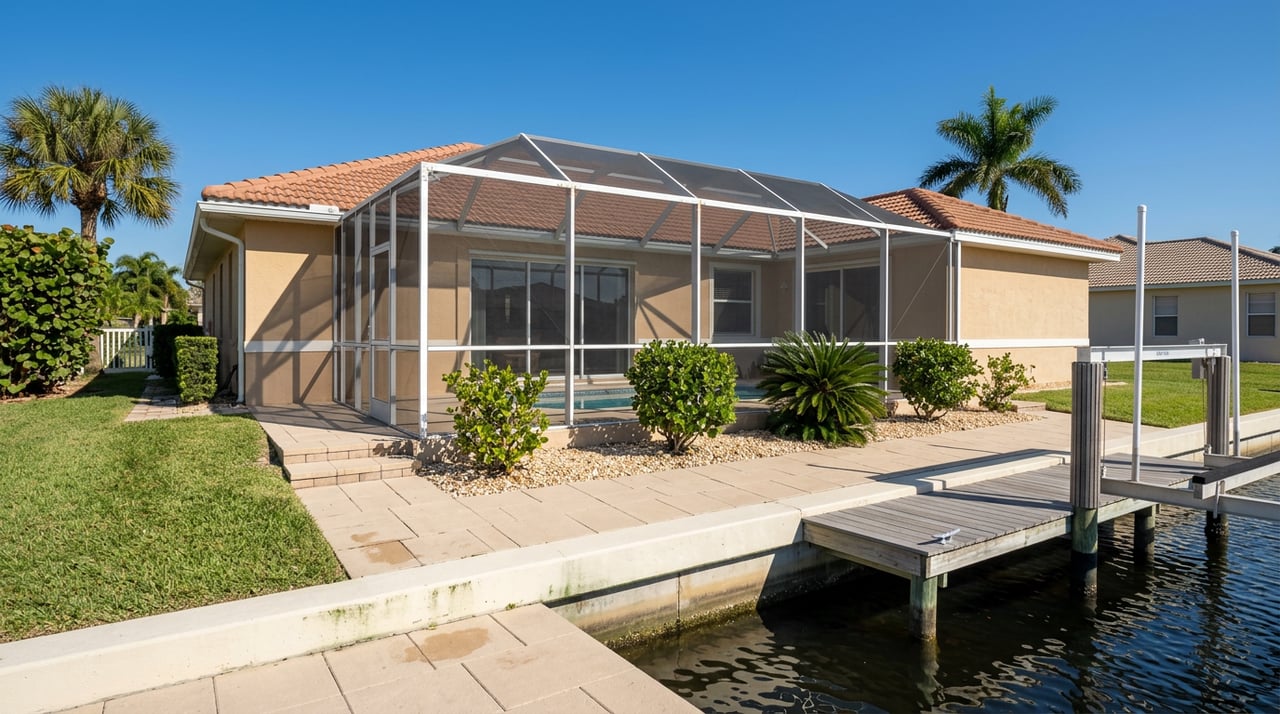
If boating is a priority, you have options. The downtown waterfront includes a large municipal marina with hundreds of slips and transient dockage. Before you buy, confirm slip availability, live-aboard rules, and waitlists at the City of St. Petersburg Municipal Marina. Many residents keep smaller boats on private lifts behind canal homes, while larger vessels often live in marinas.
Downtown is one of the area’s most walkable waterfront zones. The Pier district, Beach Drive, and nearby parks host weekly markets, festivals, and outdoor concerts. Expect more buzz on weekends and event days. You can preview upcoming happenings on the official downtown event calendar to gauge activity levels.
Tampa Bay’s tides are moderate, but local water levels matter for dock clearance and lift settings. If you plan to keep a boat at home, review the nearest NOAA tide benchmarks for a technical baseline. You can start with the St. Petersburg tide station benchmarks as an example.
Different waterfront settings come with different benefits and responsibilities. Here is how the most common types compare.
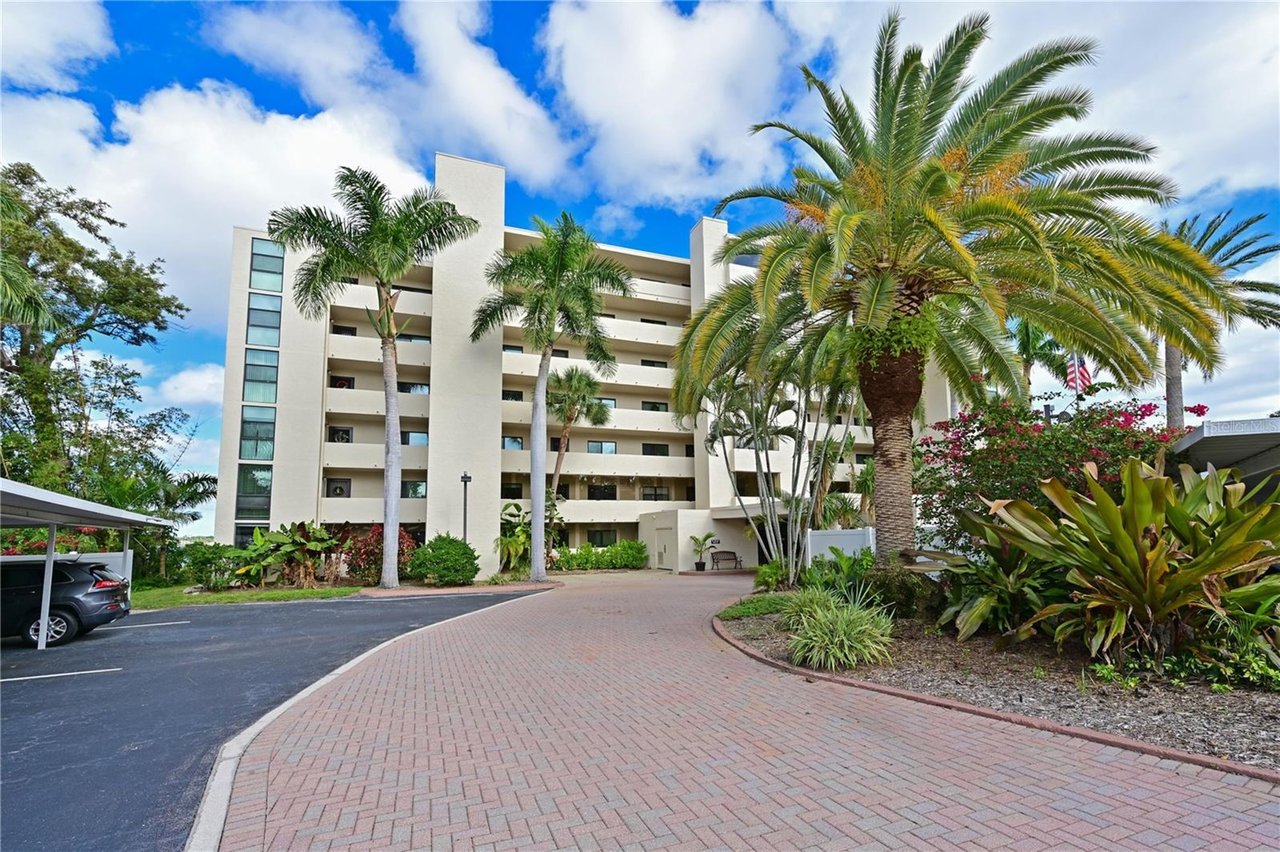
Downtown and Beach Drive condos offer managed amenities like pools, secured parking, and building maintenance. You will likely have fewer exterior chores, but association rules can affect storage, rentals, or boat options. Review HOA documents for clarity on what is allowed and what is not.
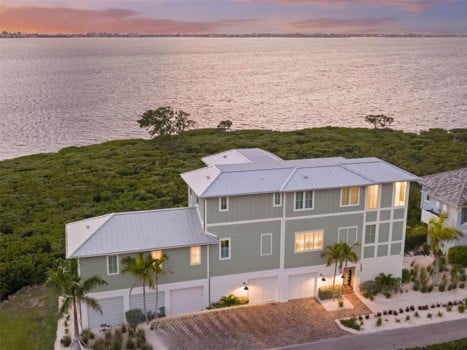
Open-bay homes bring wide views and more direct access to Tampa Bay. They can also see more wind and wave exposure. Many bayfront lots have robust seawalls, deeper docks, and storm-ready upgrades. Expect higher capital costs for shoreline and wind resilience compared with inland locations.
Canal homes often feel quieter and more sheltered. You may get a private dock and lift with calmer water for day-to-day boating. Verify canal depth, turning room, and any fixed-bridge clearances to ensure your boat fits your plans. Ask whether the canal is city-maintained or private because that can affect long-term dredging and upkeep.
Every property in Pinellas County has some level of flood risk, even outside FEMA Special Flood Hazard Areas. Before you write an offer, pull the FEMA map panel and check your elevation. The Pinellas County Flood Map Service Center is the best starting point to look up a property’s flood zone and request or locate an Elevation Certificate.
For a long-term view, regional groups study resilience planning and tidal impacts. The Tampa Bay Partnership’s work, highlighted by the City of Tampa, explains how adaptation can guide future investment and services. If you are thinking multi-decade ownership, review the regional resilience analysis to understand the broader plan.
Standard homeowners insurance excludes flood damage. Lenders usually require flood insurance for homes in FEMA Special Flood Hazard Areas. Pricing varies by elevation, construction, and FEMA’s Risk Rating 2.0 at the specific address. During your inspection period, request quotes for both NFIP and private flood options.
Florida also offers a practical way to reduce wind risk. The state’s My Safe Florida Home program provides free wind mitigation inspections and matching grants for qualified homeowners. These improvements can reduce storm vulnerability and may help with insurance costs. Review current requirements on the My Safe Florida Home program site.
Your shoreline and dock are big parts of the value. Plan for regular inspections of the seawall cap and tiebacks, dock hardware, decking, and lift motors. Costs vary by site and material, which is why you should ask for a recent inspection and at least two bids before closing. For a helpful overview of how contractors frame budgets, see this local guide to seawall cost factors.
Nature-based solutions can work in sheltered areas. Where site conditions allow, living shorelines can complement or reduce hard armoring. Explore options with the state’s living shoreline resources and ask a qualified marine contractor which approach fits your lot.
Waterfront projects often require multiple approvals. Expect local building permits plus state coastal reviews for docks or shoreline work. Some projects also need federal review if they affect navigable waters or seagrass. Start by confirming existing permits on file and asking whether future work falls under Florida’s coastal construction rules. This primer on Florida’s coastal construction program outlines how state rules interact with local approvals.
Before you fall in love with a canal view, verify the boating basics. A quick on-site check at low tide tells you a lot about depth and turning room. If a fixed bridge stands between you and open water, measure the clearance against your boat’s air draft. For lift planning, use the nearest NOAA tide benchmarks so your installer can set the cradle height and pile caps for safe clearance.
Waterfront value is about lifestyle and utility. Buyers prize newer seawalls, permitted docks, deeper water access, and short runs to the bay. On the other hand, very low elevations, uncertain permits, or older shoreline structures can narrow the buyer pool and affect net proceeds. Regional resilience planning and public investment can also shape neighborhood desirability over time, which is why it is smart to review the regional resilience analysis as part of your long-range view.
Start with how you want to live day to day. If you want an active, walkable scene with parks and events, a condo near the Pier may fit. If you prefer a quieter backyard with a lift and a short idle to the bay, focus on canal homes that meet your boat’s needs. Then, layer in practical checks on flood risk, insurance, and shoreline condition. With the right plan, you can enjoy the water while protecting your budget.
Ready to map your options and line up the right inspectors, insurers, and marine contractors? Connect with Christine Walker for local guidance and a clear plan from search to closing.
Stay up to date on the latest real estate trends.
Real Estate

Real Estate
Real Estate
Real Estate
Get assistance in determining current property value, crafting a competitive offer, writing and negotiating a contract, and much more. Contact me today.