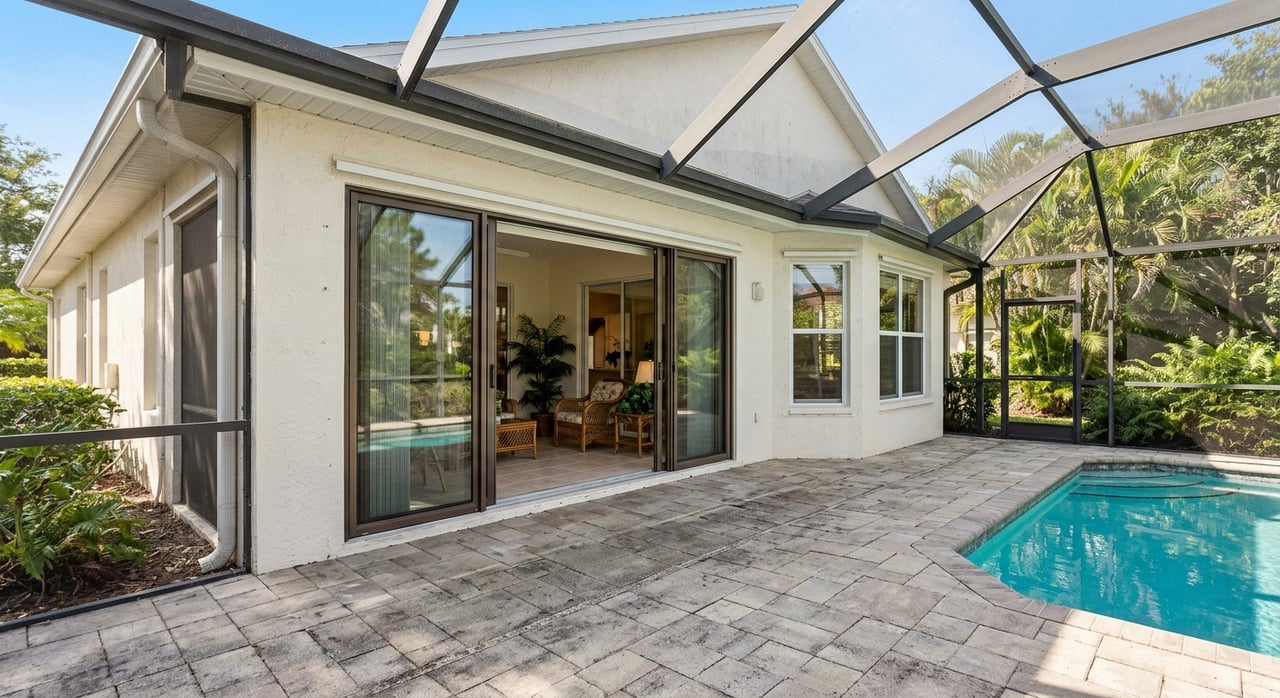
Bradenton Home Pricing Strategy for a Smarter Sale
May 7, 2026
May 7, 2026
Wondering why some Bradenton homes get attention right away while others sit and face price cuts? In today’s market, pricing is not about picking an optimistic number and hoping buyers stretch. It is about matching your home to current demand, local competition, and the reality of how buyers are comparing options. If you want to protect your negotiating power and improve your chances of a smoother sale, the right pricing strategy matters from day one. Let’s dive in.
Bradenton is currently a balanced market, but that does not mean every home type is moving the same way. In March 2026, Realtor.com reported 3,554 homes for sale in Bradenton, a median listing price of $410,000, a 96% sale-to-list ratio, and a median of 74 days on market. On average, homes sold about 4% below asking, which shows buyers are paying close attention to value.
That price sensitivity matters if you are selling. Buyers today are not just looking at your home in isolation. They are comparing it with recently sold homes, current listings, and how long similar properties are taking to attract offers.
A strong pricing plan in Bradenton should start with one simple truth: single-family homes and condos or townhomes are not moving under the same conditions. County data from March 2026 shows a clear split between these segments.
Single-family homes in Manatee County posted a median sale price of $494,205, down 2.4% year over year, with 4.7 months of supply. That is below the Realtor Association of Sarasota and Manatee's 5.5-month balanced-market benchmark, which suggests conditions are somewhat tighter for that property type.
Condos and townhomes told a different story. Their median sale price was $300,000, down 11.3% year over year, with 7.1 months of supply. That level of inventory is more buyer-leaning, which means sellers in that segment often need a sharper pricing strategy to stand out.
This is one reason citywide averages can only tell you so much. Your pricing strategy should reflect your property type, condition, and direct competition, not just a broad Bradenton number.
The foundation of a smart list price is recent comparable sales. Comparable homes help show what buyers have actually been willing to pay for properties with similar size, age, features, condition, and location.
That sounds simple, but not every nearby sale is truly comparable. A home with updated finishes, a better lot, a newer roof, or different square footage may justify a different price. Even in the same area, homes are not interchangeable.
This is where a detailed pricing review becomes important. A strong agent looks at what sold, what those homes offered, and what adjustments make sense based on your home's specifics.
Many sellers focus only on closed sales, but active competition matters too. Buyers shopping in Bradenton are comparing your home to what is available right now, not just what sold a month or two ago.
That matters even more in a market where buyers are taking a value-driven approach. With a 96% sale-to-list ratio in Bradenton and local commentary pointing to a pricing ceiling, sellers who overshoot the market can lose momentum quickly.
If a buyer can choose between several similar homes, pricing too high may push your listing out of the shortlist before you ever get a showing. The right strategy positions your home competitively from the beginning.
Pricing should also reflect how long homes are actually taking to move. Bradenton's median days on market rose to 74 days in March 2026, up 12.12% year over year. That means many sellers need to plan for a real marketing window rather than expecting instant activity.
At the county level, single-family homes took a median of 51 days to go under contract and about 102 days to close. Condos and townhomes took longer, with a median of 61 days to contract and about 105 days to close.
That timeline can shape your pricing decisions. If you want to move quickly, a more competitive list price may help generate faster interest. If you have more flexibility, you may choose a different approach, but it still needs to be grounded in current market behavior.
Your home's condition plays a big role in where it should be priced. Updates, repairs, layout, cleanliness, and presentation all affect how buyers perceive value.
Even smaller improvements can help. According to NAR's 2025 staging survey, 29% of agents said staging increased the dollar value offered by 1% to 10%, and 49% said staging reduced time on market. Common recommendations included decluttering, cleaning, and improving curb appeal.
That does not mean every seller needs a major renovation. It does mean that if your home needs cosmetic work or shows less favorably than competing listings, the price should reflect that reality. In some cases, smart prep before launch can support a stronger asking price and reduce the chance of later reductions.
It is natural to think about the number you want to net from the sale. But your list price should be built from market evidence, not just your financial goal or an online estimate.
Buyers and their lenders will look at value through the lens of comparable sales and market competition. If your price starts from a wish instead of the data, the market usually pushes back.
Two homes on the same street can command different prices. Size, layout, updates, lot characteristics, and overall upkeep all matter.
That is why pulling a few nearby listings is not enough. Real pricing strategy means studying the details behind the numbers.
In Bradenton and greater Manatee County, condos and townhomes are facing more supply than single-family homes. That difference changes buyer leverage and pricing pressure.
If you price a condo like a single-family home market is still driving demand, you could miss the mark. Sellers need to understand the segment they are actually in.
This is one of the most common mistakes sellers make. It can feel safer to aim high and expect buyers to negotiate down, but that strategy often backfires.
NAR's 2026 outlook says homes priced even 3% to 5% above market tend to face longer days on market and deeper eventual reductions. In a price-sensitive market, buyers may simply move on.
If your home has been on the market for more than 30 days without an offer, it is worth taking a serious look at pricing. Waiting too long can make a listing feel stale and weaken your position.
A timely adjustment can help restore interest before the listing loses more momentum. Often, a smaller correction made early is better than a larger one later.
A good pricing strategy is not discount pricing. It is data-driven pricing that helps your home compete well enough to generate showings, attract serious buyers, and support stronger negotiation.
In practical terms, that usually means your pricing plan should include:
This approach helps you make decisions with context instead of emotion. It also makes it easier to respond quickly if the market tells you something needs to change.
Selling in Bradenton takes more than pulling a quick estimate and putting a sign in the yard. You need local market fluency, an organized process, and a clear read on how your property compares with today's competition.
Christine Walker brings a boutique, high-touch approach backed by strong local experience in Bradenton and across the Suncoast corridor. Her client-first style focuses on responsiveness, practical guidance, and pricing recommendations that align with your property type, condition, and timeline.
If you are preparing to sell, the goal is not to chase the highest number on paper. The goal is to choose a price that puts your home in the best position to attract attention, preserve leverage, and move you toward a successful closing.
When you are ready for a thoughtful, local pricing strategy tailored to your home, connect with Christine Walker.
Stay up to date on the latest real estate trends.
Real Estate
Real Estate
Real Estate
Real Estate
Get assistance in determining current property value, crafting a competitive offer, writing and negotiating a contract, and much more. Contact me today.