
Choosing Between a St. Petersburg Condo and House
December 18, 2025
December 18, 2025
Torn between a condo near the water and a single-family home with a yard in St. Petersburg? You are not alone. The right choice comes down to your monthly budget, maintenance comfort, flood and wind risk, and the lifestyle you want. In this guide, you will learn how financing, insurance, HOA fees, and due diligence differ in Pinellas County so you can move forward with confidence. Let’s dive in.
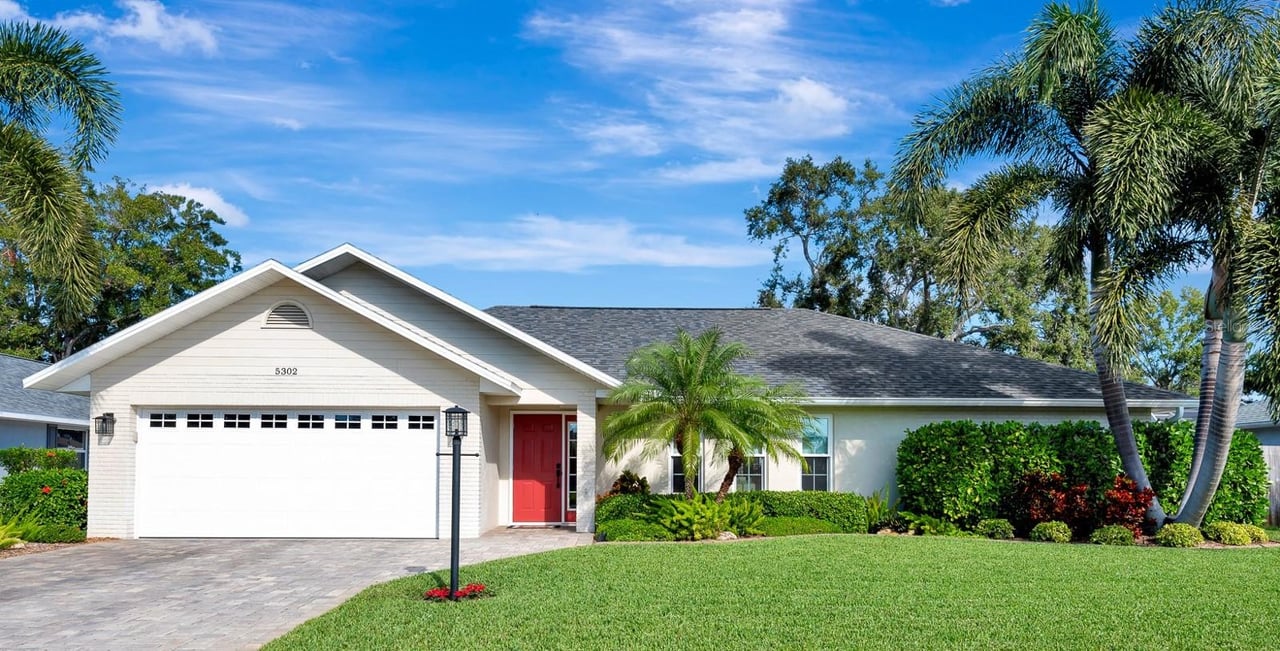
St. Petersburg gives you real variety. Downtown, Old Northeast, Grand Central, and nearby waterfront corridors offer walkable condo living with arts, dining, and bay views. Neighborhoods like Kenwood, Shore Acres, and Pasadena lean more residential, with single-family homes and outdoor space. If you want convenience, amenities, and less exterior upkeep, a condo can shine. If you want privacy, storage, and control of your property, a single-family home often wins.
Lenders look closely at condo buildings. They review owner-occupancy, budgets, reserves, insurance, and any litigation. If you plan to use FHA or VA financing, you will need a building that meets those agencies’ condo requirements. You can check status using the FHA condo approval lookup and the VA condominium search tool. Conventional loans also follow investor rules, so ask your lender how Fannie Mae project eligibility applies to your target building.
Some lenders require higher down payments or cash reserves for condos, especially for second homes or investments. Single-family homes are often more straightforward to finance. Talk with your lender early so you know exactly what is required for your situation.
Condo values can be more sensitive to building-level problems, such as litigation or underfunded reserves. In a single-family purchase, you focus on the home and lot. In a condo, the building’s health matters too.
Your monthly mortgage is only part of the picture. For taxes, the Pinellas County Property Appraiser provides tools and homestead exemption information for primary residences. Florida’s homestead and Save Our Homes benefits can influence long-term tax costs when you move within the state.
Insurance is a major line item in coastal Florida. For single-family homes, you will likely carry a homeowner policy, a wind or hurricane deductible, and separate flood insurance if you are in a mapped flood zone. In condos, you typically carry an HO-6 policy for your unit while the association maintains a building master policy. Large master policy deductibles can lead to special assessments after a storm, so confirm details before you buy. For trends and guidance, review the Florida Office of Insurance Regulation and Citizens Property Insurance Corporation.
Association fees can cover exterior insurance, building maintenance, reserves, amenities, and sometimes water, trash, or cable. Fees vary widely by building age, amenities, and how well reserves are funded. Compare the monthly fee to your best estimate of single-family upkeep, which typically includes lawn care, exterior maintenance, and utilities you cover yourself.
Much of St. Petersburg sits in FEMA flood zones and is vulnerable to storm surge during hurricanes and high-tide events. If a property is in a mapped flood zone and you finance the purchase, your lender will require flood insurance. You can check a property’s location on the FEMA Flood Map Service Center. For long-term context on sea-level rise and coastal resilience, explore data from the NOAA Office for Coastal Management. Whether you choose a condo or a single-family home, factor wind and water risk into your budget and due diligence.
Since the Surfside collapse in 2021, older multi-unit buildings in Florida have faced more scrutiny. Ask for recent structural and milestone inspections, engineering reports, and any planned capital projects. Requirements can vary by county or city, so confirm what applies in St. Petersburg and Pinellas. Your offer should include time to review these documents.
Buying a condo means reviewing the building’s financial and physical health along with your unit. Request and read:
For background on your rights and association powers, review Florida condominium law in Florida Statutes Chapter 718 and oversight resources at the Florida Department of Business and Professional Regulation.
With single-family homes, you control the property and the maintenance. Focus your inspections and research on:
A practical rule of thumb is to set aside a monthly reserve for maintenance and future capital items like roof or AC replacement. Adjust your reserve based on the home’s age, condition, and proximity to the coast.
Single-family homes often draw a broader buyer pool and are typically easier to finance. Condos can sell very well in high-demand buildings and walkable locations, but lending and building condition can narrow the buyer pool. In both cases, location and condition drive outcomes.
Do not compare list prices alone. Model each option’s true monthly cost:
Run one-year and five-year scenarios that assume HOA increases and potential insurance changes. This gives you a clearer picture of affordability and risk.
Rules vary across St. Petersburg and by community. If rental income matters to you, confirm city requirements for registration, occupancy, and taxes, along with your association’s leasing policies and minimum lease periods. Many condo associations limit rentals and pets, so read the documents before you write an offer.
Choose a condo if you want lower exterior maintenance, on-site amenities, and easy access to downtown dining, arts, and the waterfront. Choose a single-family home if you want privacy, a yard, storage, and full control over improvements. Either way, Pinellas offers choices that align with different phases of life.
Ready to compare real properties side by side and build a clear cost model that fits your goals? Connect with Christine Walker for a fast, practical plan tailored to St. Petersburg and Pinellas neighborhoods.
Stay up to date on the latest real estate trends.
Real Estate
Real Estate
Real Estate
Real Estate
Get assistance in determining current property value, crafting a competitive offer, writing and negotiating a contract, and much more. Contact me today.