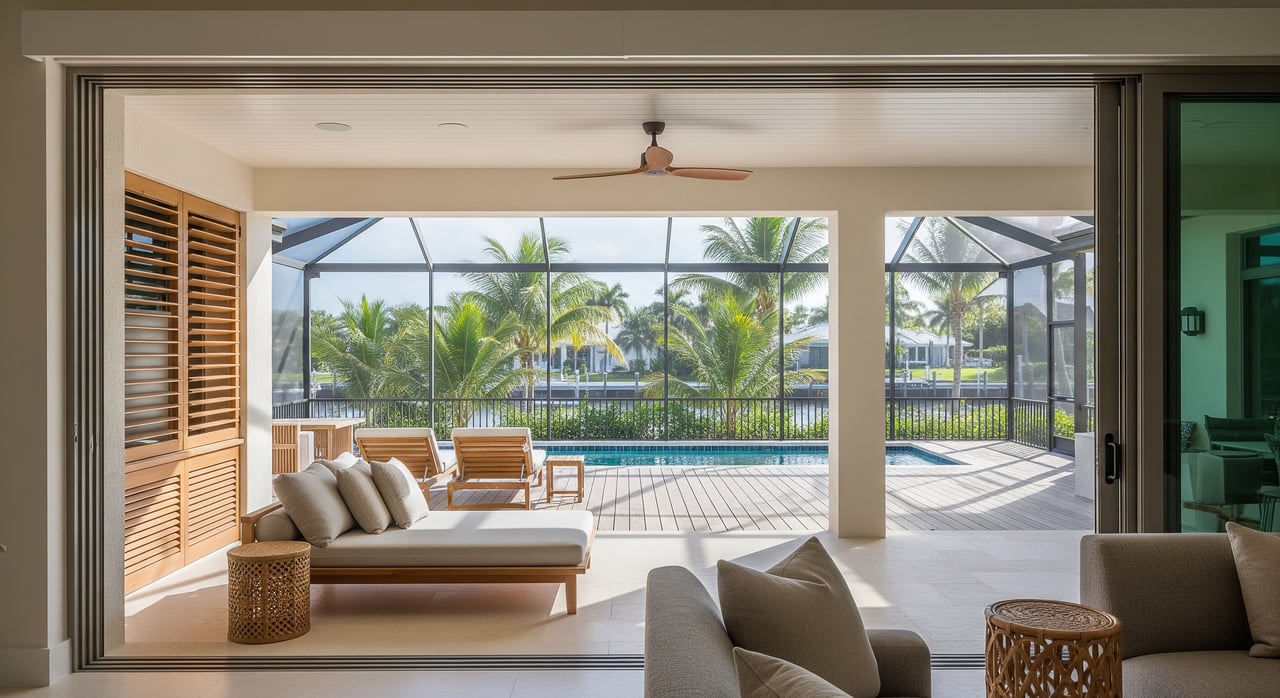
Master Humidity Control in Venice FL Homes for Ultimate Comfort
November 6, 2025
November 6, 2025
Does the air inside your Venice home feel sticky by breakfast? You are not imagining it. Our coastal climate packs heat, heavy rain, and sky‑high dew points that push moisture into every corner of a house. In this guide, you will learn simple, proven steps to keep indoor humidity in check, protect your home, and feel more comfortable year‑round. Let’s dive in.
Venice sits in a warm, subtropical zone with hot summers and a long wet season. Local records show heavy rainfall and summer highs in the mid‑80s to low‑90s that drive moisture loads indoors. Regional climate summaries confirm that June through September is the wettest stretch.
Summer dew points often sit in the low to mid‑70s, which means the air holds a lot of moisture. According to seasonal data near Venice Municipal Airport, the chance of a muggy day in midsummer is close to 100 percent. Add in Atlantic hurricane season, which runs June 1 through November 30, and you have a recipe for wind‑driven rain and leaks that need fast attention, per NOAA’s outlook.
For a healthier home, aim to keep indoor relative humidity below 60 percent, and ideally around 30 to 50 percent. That range aligns with guidance from the Florida Department of Health and the U.S. EPA. High humidity encourages mold and dust mites and can damage finishes and wood.
Central air removes some moisture while it cools, but it may struggle in Venice when humidity is extreme or the system short‑cycles. ASHRAE emphasizes that reliable humidity control often requires purposeful design and controls, not cooling alone. Learn the basics in their humidity control guidance.
If indoor RH stays above 55 to 60 percent, add dehumidification:
In Florida, sealed crawlspaces with a ground vapor retarder and insulated walls are a standard approach to moisture control. If you have a crawlspace, check for a continuous liner, sealed seams, and no standing water. The Florida Building Code recognizes these measures; see the state’s energy references on crawlspace and duct provisions. For an overview of crawlspace best practices, review this homeowner guide.
A well‑sealed, insulated ceiling with a properly vented attic is the common path. Many Florida homes also use unvented, conditioned attics to keep ducts and equipment in cooler, drier space. Florida energy guidance covers options like radiant barriers and cool roofs that reduce heat gain and moisture load. See the state’s energy rulemaking summary for context.
Re‑caulk as needed, confirm correct flashing, and consider exterior shading or reflective films to cut heat gain. Less heat often means less runtime stress and better moisture control.
Keep soil graded away from the foundation and move water away with gutters and downspouts. The EPA’s mold guide stresses drying wet materials within 24 to 48 hours and fixing water sources fast.
Use bathroom fans and range hoods that vent outside. This moves moisture out instead of into your attic or walls. Be cautious with whole‑house ventilation in summer. Bringing in large amounts of hot, moist air can raise indoor RH unless that air is dehumidified. Ventilate when the outdoor air is cooler and drier than indoors, or when balanced with proper dehumidification.
Hurricane season brings wind‑driven rain and potential leaks. NOAA pegs the season from June 1 through November 30. If water gets in, dry materials within 24 to 48 hours and repair the source quickly using the EPA’s step‑by‑step guidance. Check roofs, flashing, windows, and doors, and document repairs for insurance and future buyers.
Ready to buy or sell with confidence in Venice? Connect with Christine Walker for local guidance, practical prep tips, and referrals to trusted HVAC and building professionals who know how to keep Suncoast homes dry and comfortable.
Stay up to date on the latest real estate trends.
Real Estate

Real Estate
Get assistance in determining current property value, crafting a competitive offer, writing and negotiating a contract, and much more. Contact me today.